Research involving triple-agonist peptides continues to expand into studies examining receptor binding behavior, signaling efficiency, and pathway integration under controlled conditions
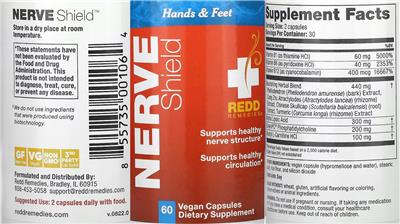
Adults:Take 2 capsules one to two times a day, or as professionally prescribed
Glutathione has the following roles in the body: Neutralize free radicals and oxidative stress Reverse damage from radiation (X-rays, CT scans, UV and solar radiation) Detoxify heavy metals Detoxify biotoxins (like mold) Help reverse damage from environmental chemicals and pollution Neutralize toxins from food like charred foods and pesticides Improve liver detox pathways Research has found that the following chronic diseases are associated with a reduction in Glutathione levels: Aging Alzheimers Disease Cancer Chronic Liver Disease Cognitive Impairment Diabetes Hypertension Infertility in Both Men and Women Lupus Mental Health Disorders Multiple Sclerosis Neurodegenerative Disorders Parkinsons Disease Glutathione is made of 3 amino acids: cysteine (a sulfur amino acid), glycine, and glutamic acid

In populations with added comorbidities, results are lower: TRIUMPH-2 (obesity + diabetes) showed 20.8%, TRIUMPH-3 (obesity + cardiovascular disease) showed 22.6%, and TRANSCEND-T2D-1 (diabetes-specific, 40 weeks) showed 16.8% all consistent with patterns seen across the GLP-1 drug class, where comorbidities reduce achievable weight loss
Endocannabinoids drive the acquisition of an alternative phenotype in microglia