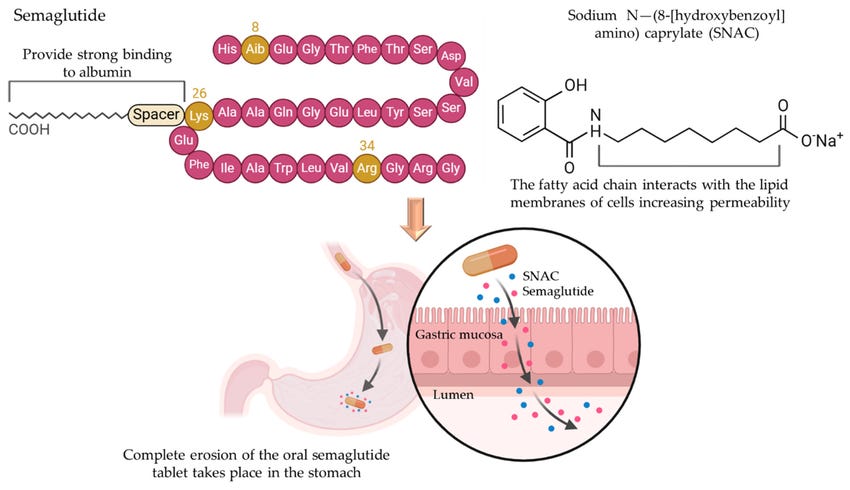
When evaluating the changes in the secondary outcome measures, there was a dose-dependent decrease in waist circumference elicited by treatment with the peptide
write in Dermatologic Therapy , Bioactive peptides can stimulate the skins fibroblasts, enhancing production of dermal matrix proteins such as collagen and elastin, and modulate inflammatory responses in hair follicles and dermis. Ginsburg et al., Dermatologic Therapy How Peptides Improve Skin Increase type I and III collagen production firmer, thicker dermis Stimulate elastin improves skin elasticity and reduces sagging Reduce matrix metalloproteinases (MMPs) enzymes that break down collagen Decrease chronic inflammation critical for preventing skin aging and breakdown Accelerate wound and scar healing beneficial post-surgery or post-laser treatments How Peptides Improve Hair Reactivate quiescent (resting) hair follicles Improve vascularization more nutrients and oxygen delivered to scalp Increase anagen (growth) phase duration longer, thicker hair Reduce perifollicular inflammation , which contributes to hair thinning Stimulate keratinocyte proliferation , strengthening hair shafts Peptides are an excellent tool for addressing: Thinning hair due to stress, age, or androgenetic alopecia Skin laxity , fine lines, and wrinkles Dull or dry skin due to impaired barrier function Post-procedure recovery for improved healing and cosmetic outcomes Best Peptides for Skin and Hair Not all peptides are created equal when it comes to cosmetic and regenerative outcomes

In laboratory environments, it is widely used for the preparation, reconstitution, and dilution of lyophilized peptides and other research compounds
Aim the needle toward the glass wall of the vial, not directly at the powder cake
The tight coupling and positive correlation between increased oxidative stress with cytokine levels universally found in numerous previous model systems ranging from cell culture to animals and humans was absent in Rlip knockout mice