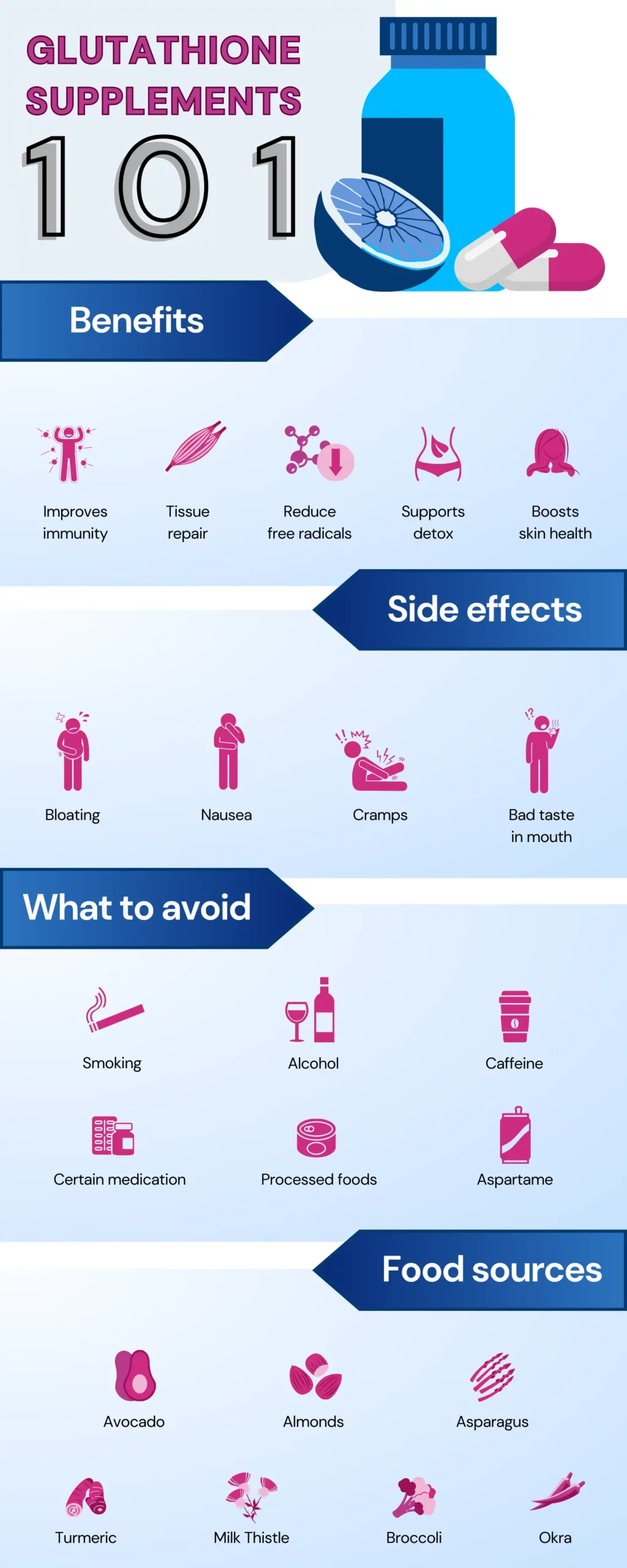
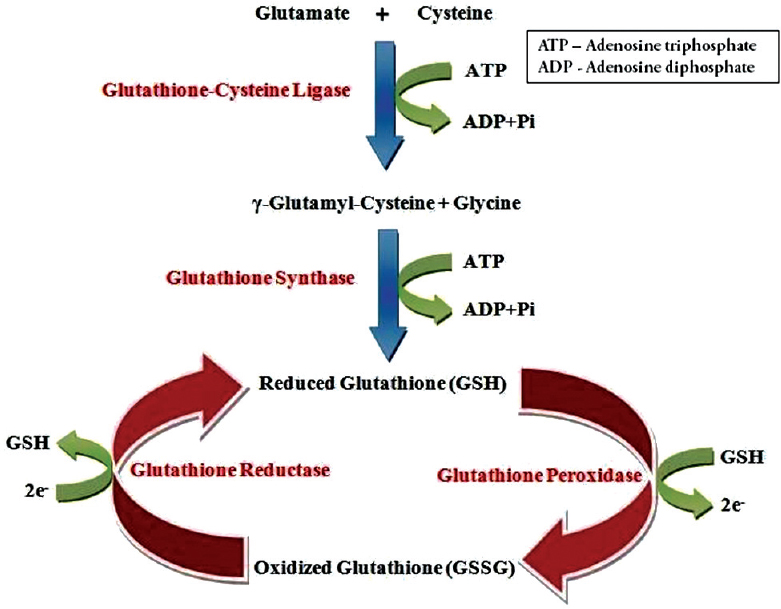
Exploring the Safety and Efficacy of Glutathione Mitchell, M., et al
Research Context & Areas of Study In experimental and preclinical settings, BPC-157 has been examined for its potential interaction with: Cellular communication pathways Angiogenic and vascular response models Oxidative stress and cytoprotective research frameworks Fibroblast and connective-tissue behavior in laboratory systems Biochemical signaling processes Gastrointestinal cellular response models These observations represent laboratory-based research only and are not associated with therapeutic or clinical outcomes
Epithalons ability to activate telomerase can support the maintenance and lengthening of telomeres, which are directly linked to cellular aging
Through co-immunoprecipitation (CO-IP) experiments, we discovered that FOXO4-DRI prevents the binding of FOXO4 to P53, facilitating the phosphorylated P53 nuclear exclusion, which subsequently trigger BAX and cleaved caspase-3, leading to the apoptosis of senescent cells
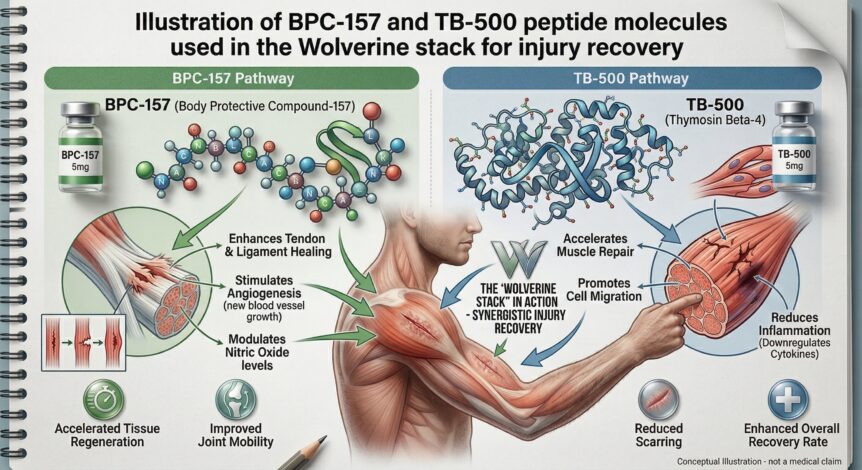
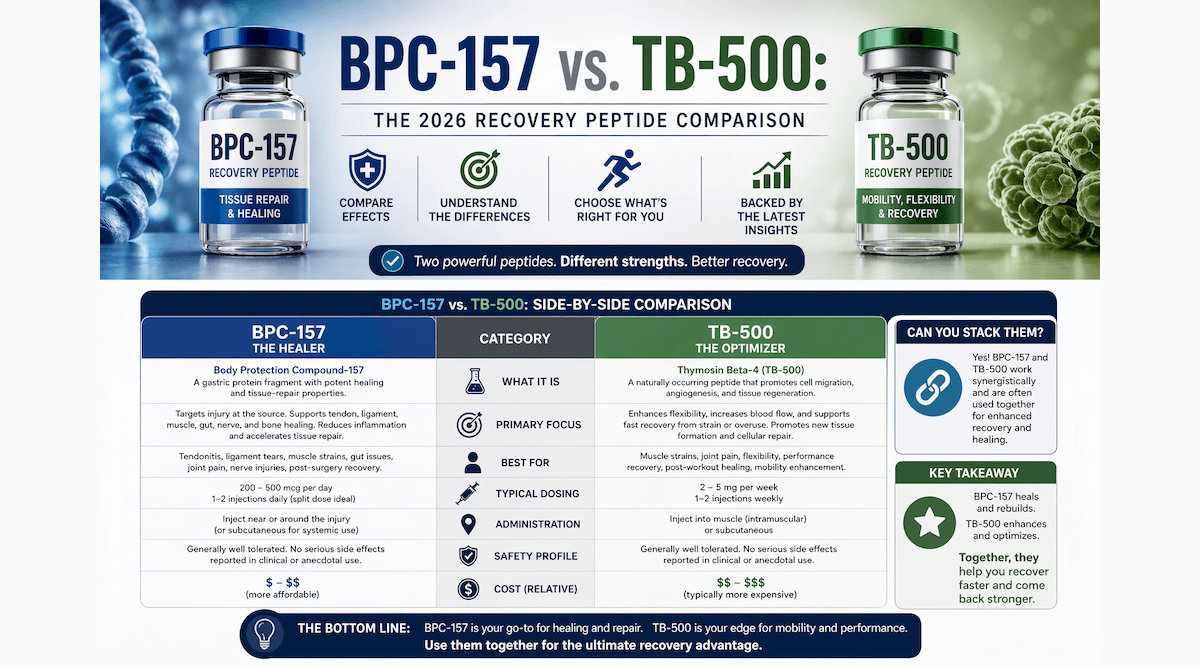
BPC-157: targeted soft-tissue repair support BPC-157 is a synthetic peptide derived from a gastric protein and is most commonly explored in preclinical research relating to tendon, ligament, and muscle healing